

Introduction
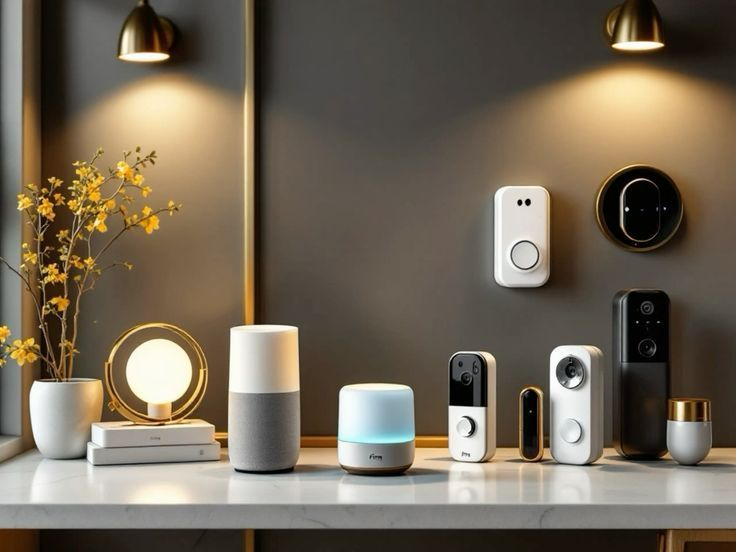
Smart devices have quietly transformed the way people live, work, and interact with the world. From the moment you wake up to the time you go to sleep, these devices are shaping your routines in subtle yet powerful ways. Whether it is a smartphone alarm, a smart thermostat adjusting the room temperature, or a voice assistant helping you manage tasks, technology is now deeply integrated into everyday life.
In recent years, the adoption of smart devices Changing Daily Life has grown rapidly. This shift is not limited to tech enthusiasts anymore. Beginners and everyday users are now embracing these innovations because they simplify tasks, save time, and enhance comfort. As a result, homes are becoming smarter, workplaces more efficient, and communication more seamless.
Moreover, smart devices are no longer seen as luxury items. They have become essential tools for modern living. From improving home security to tracking health and fitness, their impact continues to expand. However, understanding how they work and how to use them effectively is key to getting the most out of them.
This article explores how smart devices are changing daily life, why they matter, and how you can use them effectively. It also highlights their benefits, risks, and practical tips to help you make informed decisions.
What is Smart Devices Changing Daily Life?
Smart devices changing daily life refers to the integration of internet-connected devices into everyday routines to improve convenience, efficiency, and control. These devices are designed to communicate with each other and can often be controlled remotely using smartphones or voice commands.
Examples of smart devices include:
- Smartphones and tablets
- Smart TVs and streaming devices
- Smart home systems like lighting and thermostats
- Wearable devices such as fitness trackers
- Voice assistants and smart speakers
These devices rely on technologies like artificial intelligence, sensors, and cloud computing to function effectively. For instance, a smart thermostat can learn your preferences over time and adjust temperatures automatically.
In simple terms, smart devices are tools that make life easier by automating tasks and providing real-time information. As their capabilities continue to grow, their influence on daily life becomes even more significant.
Why is Smart Devices Changing Daily Life Important?
Understanding why smart devices changing daily life is important helps you appreciate their role in modern society. These devices are not just about convenience; they are transforming how people interact with technology and manage their time.
Firstly, they enhance efficiency. Tasks that once required manual effort can now be completed automatically. For example, setting reminders, managing schedules, or controlling home appliances can all be done with a few taps or voice commands.
Secondly, they improve accessibility. People of all ages and skill levels can use smart devices easily. Voice assistants, in particular, have made technology more accessible for individuals with disabilities.
Another important aspect is data-driven decision-making. Smart devices collect and analyze data to provide insights. Fitness trackers monitor health metrics, while smart home systems optimize energy usage.
Finally, they contribute to better connectivity. Communication has become faster and more seamless, allowing people to stay connected regardless of location.
Detailed Step-by-Step Guide
Step 1: Identify Your Needs
Before adopting smart devices, determine what you need. Ask yourself:
- Do you want better home security?
- Are you looking to improve productivity?
- Do you need help with health tracking?
Understanding your goals will help you choose the right devices.
Select devices that match your needs and budget. Popular categories include:
Step 2: Choose the Right Devices
- Smart home devices
- Wearable technology
- Entertainment systems
Always consider compatibility with your existing devices.
Step 3: Set Up Your Devices
Most smart devices come with simple setup instructions. Typically, you will:
- Download the required app
- Connect the device to Wi-Fi
- Follow on-screen instructions
Ensure your internet connection is stable for smooth operation.
Step 4: Customize Settings
Personalize your device settings according to your preferences. For example:
- Adjust notification settings
- Set schedules for automation
- Enable security features
Customization ensures a better user experience.
Step 5: Integrate Devices
To maximize efficiency, connect multiple devices. For instance:
- Link your smart lights with a voice assistant
- Sync your fitness tracker with a health app
Integration allows devices to work together seamlessly.
Step 6: Maintain and Update
Regular updates are essential for performance and security. Always:
- Install software updates
- Check device compatibility
- Monitor performance
Proper maintenance extends the life of your devices.
Benefits of Smart Devices Changing Daily Life
- Saves time by automating daily tasks
- Improves energy efficiency in homes
- Enhances security with smart monitoring systems
- Provides real-time information and alerts
- Boosts productivity in work and personal life
- Supports better health tracking and management
- Offers convenience through remote access and control
- Improves communication and connectivity
Disadvantages / Risks
- Privacy concerns due to data collection
- Dependence on internet connectivity
- High initial cost for some devices
- Compatibility issues between different brands
- Risk of cyber security threats
- Technical glitches or system failures
- Learning curve for beginners
Common Mistakes to Avoid
One common mistake is buying too many devices at once. This can lead to confusion and compatibility issues. It is better to start small and expand gradually.
Another mistake is ignoring security settings. Many users fail to set strong passwords or update software regularly, which can expose devices to risks.
Some people also overlook compatibility. Not all devices work well together, so checking compatibility before purchase is essential.
Additionally, relying too much on automation can reduce manual control. It is important to maintain a balance between automation and personal oversight.
Finally, not reading user manuals can lead to improper usage. Taking time to understand device features ensures better performance.
FAQs
1. What are smart devices?
Smart devices are electronic gadgets that connect to the internet and can be controlled remotely or automatically. They are designed to simplify daily tasks and improve efficiency.
2. How do smart devices improve daily life?
They automate routine tasks, provide real-time information, and enhance convenience. For example, smart home systems can control lighting, temperature, and security.
3. Are smart devices safe to use?
Yes, but users must follow security practices such as using strong passwords, updating software, and avoiding unsecured networks.
4. Do smart devices require internet access?
Most smart devices rely on internet connectivity for full functionality. However, some features may work offline depending on the device.
5. Can beginners use smart devices easily?
Yes, most smart devices are designed with user-friendly interfaces. Many also offer voice control, making them easy to use for beginners.
6. Are smart devices expensive?
Prices vary depending on the device and features. While some are affordable, others may require a higher investment. However, long-term benefits often justify the cost.
Expert Tips & Bonus Points
Start with essential devices such as a smartphone or smart speaker. This helps you get familiar with the technology before expanding your setup.
Always prioritize security. Use strong passwords and enable two-factor authentication whenever possible.
Choose devices from reliable brands to ensure quality and compatibility. Reading reviews can help you make better decisions.
Take advantage of automation features. For example, schedule your lights to turn off automatically or set reminders for daily tasks.
Regularly review your device settings. This ensures that they continue to meet your needs and preferences.
Finally, stay updated with new trends and features. Technology evolves quickly, and keeping up-to-date helps you make the most of your devices.
Conclusion
Smart devices changing daily life have become an integral part of modern living. They offer convenience, efficiency, and improved connectivity, making everyday tasks easier and more manageable. From smart homes to wearable technology, their impact is visible in nearly every aspect of life.
As more people adopt these devices, understanding how to use them effectively becomes increasingly important. By choosing the right devices, setting them up properly, and maintaining them regularly, users can enjoy their full benefits while minimizing risks.
However, it is also essential to be aware of potential challenges such as privacy concerns and technical issues. Taking simple precautions can help you avoid these problems and ensure a safe experience.
In the end, smart devices are tools designed to enhance your lifestyle. When used wisely, they can save time, improve productivity, and create a more comfortable living environment. Embracing this technology with a balanced approach allows you to enjoy its advantages while staying in control of your daily life.
