

Introduction
The future of multimodal AI apps is rapidly transforming how people interact with technology in everyday life. From combining text, images, audio, and video into a single seamless experience to improving communication and productivity, these applications are reshaping industries at an unprecedented pace. As digital systems become smarter, they no longer rely on a single type of input. Instead, they integrate multiple forms of data to provide more accurate and human-like responses.
For beginners, this shift may seem complex at first. However, understanding the future of multimodal AI apps does not require a technical background. It simply involves recognizing how different forms of information can work together. For intermediate users, the opportunities are even more exciting, as these systems open doors to automation, creativity, and enhanced decision-making.
In recent years, businesses, educators, and developers have started adopting these advanced systems to improve user experiences. Whether it is virtual assistants understanding voice commands while analyzing images or apps generating content from multiple inputs, the evolution is clear. As we move forward, the future of multimodal AI apps will continue to influence how we work, learn, and communicate, making it an essential topic to explore in depth.
What is Future of Multimodal AI Apps?
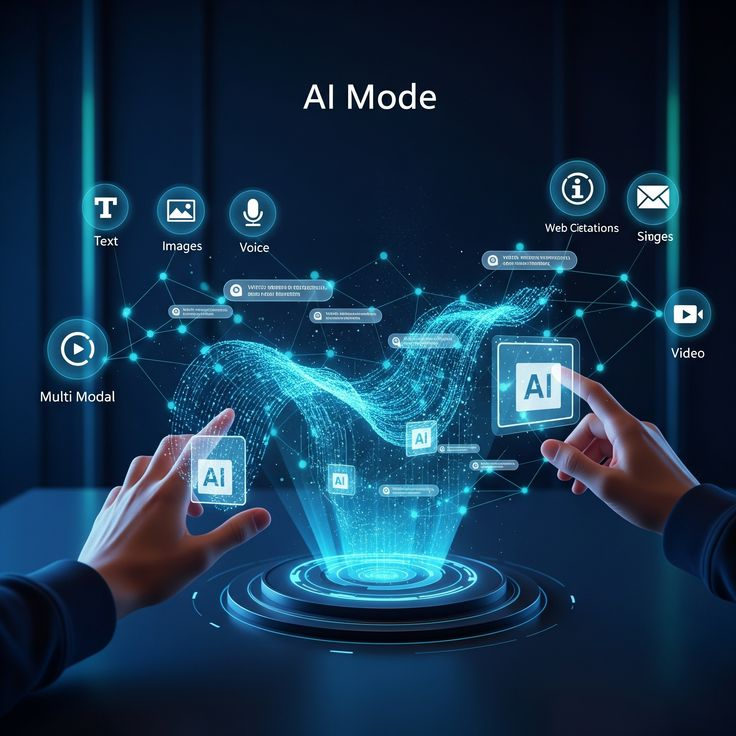
The future of multimodal AI apps refers to the development of intelligent systems that can process and understand multiple types of data inputs at the same time. Instead of relying only on text or voice, these applications combine various formats such as images, audio, video, and even gestures to deliver more accurate and meaningful outputs.
For example, a multimodal app can analyze a picture while also interpreting a user’s spoken question about it. This combination allows the system to provide responses that are more context-aware and useful. In simple terms, it mimics how humans naturally process information using multiple senses.
As technology advances, the future of multimodal AI apps will likely include even more integrated experiences. These may involve real-time translation during video calls, smarter healthcare diagnostics using both visual scans and patient history, and interactive learning tools that adapt to different types of input.
In essence, multimodal AI apps represent a shift from single-input systems to more dynamic and intelligent platforms that understand the world in a more human-like way.
Why is Future of Multimodal AI Apps Important?
Understanding the future of multimodal AI apps is important because it directly impacts how technology will evolve in the coming years. These systems are designed to bridge the gap between human communication and machine understanding.
One key reason for their importance is improved accuracy. When multiple data sources are combined, the chances of misunderstanding decrease significantly. For instance, analyzing both text and images provides better context than using either alone.
Another major factor is user experience. Multimodal systems make interactions more natural and intuitive. Instead of typing long queries, users can speak, show images, or even combine both to get faster results.
Additionally, the future of multimodal AI apps plays a crucial role in industries such as healthcare, education, and business. Doctors can make better diagnoses, teachers can provide personalized learning experiences, and companies can automate complex tasks more efficiently.
Ultimately, these advancements are not just about convenience. They represent a fundamental shift in how humans and machines interact, making technology more accessible and effective for everyone.
Detailed Step-by-Step Guide
Step 1: Understand the Basics of Multimodal Systems
Before diving into advanced concepts, it is essential to understand how multimodal systems work. These systems process different types of data simultaneously and combine them to produce a unified output.
For example, an app may take a voice command and analyze an uploaded image to provide a relevant response. This integration is the foundation of the future of multimodal AI apps.
Step 2: Learn About Data Types

Multimodal apps rely on various data types, including:
- Text data for written information
- Audio data for speech and sound
- Visual data for images and videos
- Sensor data for real-world inputs
Understanding these categories helps in recognizing how different inputs contribute to a single output.
Step 3: Explore Real-World Applications
To better understand the future of multimodal AI apps, explore practical use cases such as:
- Virtual assistants that process voice and text
- Image recognition tools combined with search queries
- Video analysis platforms that interpret both visuals and audio
These examples highlight how multimodal systems are already being used today.
Step 4: Identify Tools and Platforms
Various tools are available for building and using multimodal applications. Beginners can start with simple platforms that allow integration of text and images, while advanced users can explore more complex systems involving video and real-time processing.
Step 5: Practice Integration
Hands-on practice is crucial. Try combining different inputs in simple projects, such as:
- Uploading an image and asking questions about it
- Using voice commands to interact with visual data
- Creating basic apps that combine text and audio
This step builds a deeper understanding of how multimodal systems function.
Step 6: Stay Updated with Trends
The future of multimodal AI apps is constantly evolving. Keeping up with new developments ensures that users remain informed and competitive in this rapidly changing field.
Benefits of Future of Multimodal AI Apps
- Enhanced user experience through natural interaction
- Improved accuracy by combining multiple data sources
- Faster decision-making with richer context
- Increased accessibility for users with different needs
- Better automation across industries
- More engaging educational tools
- Advanced healthcare diagnostics
- Creative opportunities in content generation
Disadvantages / Risks
- High development and implementation costs
- Privacy concerns due to multiple data inputs
- Complexity in system design and maintenance
- Potential biases in data interpretation
- Dependence on large datasets
- Security risks if systems are not properly protected
Common Mistakes to Avoid
One common mistake is assuming that multimodal systems are always accurate. While they are powerful, they still depend on the quality of data provided. Poor inputs can lead to incorrect outputs.
Another mistake is overcomplicating the system. Beginners often try to integrate too many data types at once, which can make the process difficult to manage. Starting simple is always a better approach.
Ignoring user experience is also a major issue. Even the most advanced system can fail if it is not easy to use. The future of multimodal AI apps depends heavily on intuitive design.
Additionally, failing to address privacy and security concerns can lead to serious problems. It is important to ensure that data is handled responsibly and securely.
FAQs
What are multimodal AI apps?
Multimodal AI apps are systems that process multiple types of data, such as text, images, and audio, to provide more accurate and meaningful outputs.
Why is the future of multimodal AI apps important?
It is important because it improves how humans interact with technology, making systems more intuitive, efficient, and capable of handling complex tasks.
Can beginners learn about multimodal AI apps?
Yes, beginners can start by understanding basic concepts and gradually explore more advanced applications as they gain experience.
Where are multimodal AI apps used?
They are used in various fields, including healthcare, education, business, entertainment, and customer service.
Are there risks involved?
Yes, risks include privacy concerns, data security issues, and the complexity of system development.
How can I start working with multimodal AI apps?
You can begin by learning about different data types, exploring simple tools, and practicing integration through small projects.
Expert Tips & Bonus Points
To succeed in understanding the future of multimodal AI apps, focus on building a strong foundation. Start with simple concepts and gradually move to more advanced topics.
Always prioritize data quality. The effectiveness of any multimodal system depends on the accuracy and relevance of the data it processes.
Experiment regularly. Trying new combinations of inputs helps in discovering innovative solutions and improving skills.
Stay informed about industry trends. The field is evolving quickly, and keeping up with changes ensures long-term success.
Finally, think about real-world applications. Understanding how these systems solve practical problems makes learning more meaningful and effective.
Conclusion
The future of multimodal AI apps represents a significant leap forward in technology, offering more natural and efficient ways for humans to interact with machines. By combining multiple forms of data, these systems provide richer insights and more accurate results, making them valuable across various industries.
For beginners, the journey starts with understanding the basics and exploring simple applications. For intermediate users, the focus shifts toward integration and practical use cases. Regardless of experience level, the opportunities are vast and continuously expanding.
As technology continues to evolve, the future of multimodal AI apps will play a central role in shaping digital experiences. From improving communication to enhancing productivity, these systems are set to redefine how we engage with the world around us.
By staying informed, practicing regularly, and focusing on real-world applications, anyone can benefit from this powerful technological advancement. The key is to remain curious, adaptable, and open to learning as the field continues to grow.
